

Articles
You’ve probably seen this expression in recipes or on pasta packages. “Al dente” is an Italian word that translates as “to the tooth.” It’s not just a fancy term, but the key to making perfect pasta, just like they eat in Italy. Let’s explore what it means in practice and how to achieve it in your own kitchen.
What is al dente in simple terms?
Imagine a piece of pasta: it’s soft on the outside, but when you bite into it, you feel a slight resistance, a firm core. This is the al dente state—”to the tooth.” This state is often called “undercooked,” but that’s not entirely accurate: the pasta isn’t raw and crispy, and it doesn’t have a white, floury center when you cut it. It’s simply firmer and denser than the pasta we’re used to.
Why do Italians love it so much? There are several reasons:
- It’s healthier: Al dente has a lower glycemic index than overcooked pasta. This means your blood sugar will rise more slowly, and you’ll feel fuller longer.
- It’s tastier: This pasta holds its shape better, doesn’t fall apart, and absorbs the sauce perfectly, holding it to its rough surface.
- It’s prettier: Al dente pasta doesn’t stick together or turn into mush; it looks beautiful on the plate. How long to cook until al dente: general rules
There’s no universal cooking time—it depends on the shape, thickness, and brand of pasta. But there’s a key secret that all chefs use, and it’s not a stopwatch, but your taste buds.
A short and reliable algorithm is as follows:
- Trust the packaging, but don’t follow it blindly. The manufacturer specifies the time until fully cooked, which, according to Italians, often means “already overcooked.”
- Subtract 1-2 minutes from the time indicated on the package. This is your starting point. Set a timer and start checking the pasta 1-2 minutes before it’s ready.
- Taste it! Remove one noodle, let it cool slightly, and bite into it. Is there a slight resistance? But the center doesn’t crisp up or feel raw? That’s it – it’s time to drain.
On average, most dry durum wheat pasta will take 7-11 minutes at a vigorous boil, but taste testing is the only correct method.
Basic Cooking Rules
To achieve perfect results, it’s important to follow the cooking instructions. Chefs and Italian producers agree on several key points.
| Rule | Why this is important |
|---|---|
| A large pot and plenty of water | Pasta needs room to float freely and prevent sticking. Ideally, 4-5 liters per 500 g of pasta. |
| Boiling water, then pasta | Place the pasta only in vigorously boiling, salted water. |
| Plenty of salt | This isn’t just a taste; salt helps the pasta maintain its elasticity. The water should be “like the sea”—salty to the taste. |
| No oil in the water! | Oil creates a film that will allow the sauce to slide off the pasta instead of sticking to it. |
| Don’t rinse cooked pasta | Rinsing removes the precious starch that helps the sauce coat each noodle. |
Important tip: Before draining, be sure to reserve one cup of the cloudy, starchy pasta water. Adding a couple of tablespoons of this water to the sauce is the secret to a restaurant-quality dish: it makes it velvety and helps bind everything together.
What types of pasta can be cooked al dente?
The al dente technique is suitable for any pasta made from durum wheat. Cooking time depends on the shape and thickness of the pasta. Here’s a rough guide.
| Pasta Shape | Appearance | Al Dente Time |
|---|---|---|
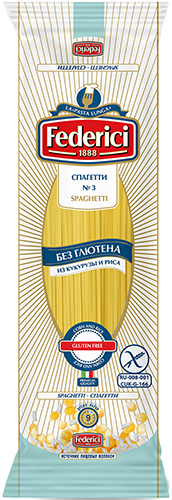
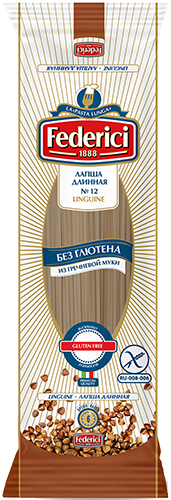
| Spaghetti, Linguine | Long, thin strands | 8-10 minutes |
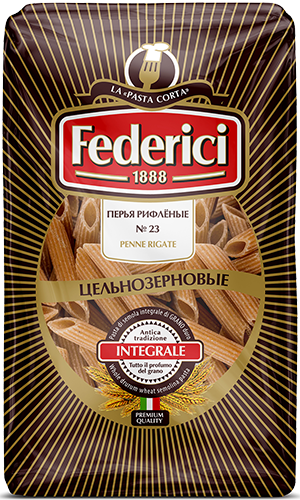
| Penne, Rigatoni | Diagonally cut tubes | 9-11 minutes |
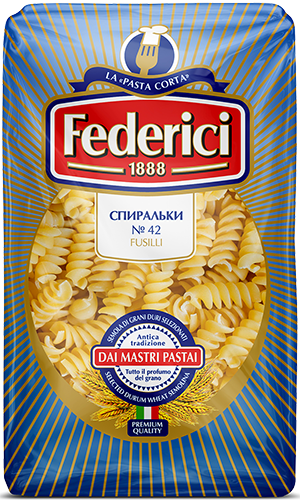
| Fusilli (Spirals) | Short, spiral-shaped | 8-10 minutes |
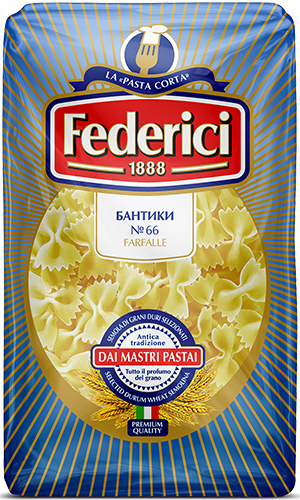
| Farfalle (Bow Ties) | Short, butterfly-shaped | 9–10 minutes |
| Orzo (Rice) | Small, rice-like | 7-8 minutes |
| Lasagna (Sheets) | Wide, long sheets | 12-14 minutes |
Key Takeaway: Don’t be afraid to experiment and taste. Only your taste buds will tell you when your pasta is ready. Follow these simple rules, and your pasta will always be firm, flavorful, and worthy of the best Italian restaurants. Enjoy!
Our products
Мы стремимся предложить Вам наилучший сервис при работе с нашим сайтом. Для этого мы собираем и храним информацию о Вашем посещении сайта. Так называемые cookies. Файлы cookies не собирают и не хранят никакую личную информацию о Вас. Используя этот сайт, Вы даете согласие на использование cookies. На данном этапе Вы можете отказаться от использования cookies, настроив необходимые параметры в своем браузере.